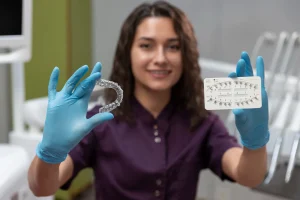
Teeth can shift at any age, even after years of having a straight smile. Small changes may appear as gaps, crowding, or teeth that no longer fit together as they once did. These changes can happen gradually, so they may not be noticed until flossing, chewing, or biting feels different. Clear aligners in Port Coquitlam may help move teeth into better positions when shifting is suitable for aligner treatment.
Adult teeth can move because of natural changes in the mouth, gum problems, missing teeth, or not wearing a retainer after orthodontic treatment. The right solution depends on what is causing the movement and how much the teeth have shifted. A dental assessment can help identify the cause and determine whether clear aligners or another treatment is needed.
What Causes Teeth to Shift in Adults?
The causes of teeth shifting in adults can vary. Some changes occur slowly, while others may indicate a dental problem that needs attention.
Common causes include:
- Age-related changes: Teeth may move gradually as the jaw and bite change over time.
- Not wearing a retainer: Teeth may move back after braces or aligner treatment if you do not wear your retainer as advised.
- Gum disease: Gum and bone damage can make teeth loose or cause them to move.
- Missing teeth: Nearby teeth may move into the space and change your bite.
- Grinding or clenching: Putting too much pressure on your teeth can affect their position and how they fit together.
- Changes in bite pressure: Uneven contact between teeth may contribute to movement in some cases.
Sudden movement, loose teeth, bleeding gums, or new gaps should be checked by a dental professional rather than treated as a cosmetic concern alone.
How Do Clear Aligners Correct Shifting Teeth?
Clear aligners are removable, clear trays made to fit over the teeth. Each set applies gentle pressure to guide certain teeth toward planned positions. The trays are changed in a set order as the teeth move.
The first step to fixing shifting teeth with clear aligners is a dental checkup. The dentist checks your teeth, gums, bite, and how much your teeth need to move to see if aligners are right for you.
Treatment usually involves:
- Assessment: The teeth and gums are checked, and scans or images may be taken.
- Treatment planning: A series of planned tooth movements is mapped out.
- Wearing the trays: Aligners are usually worn for about 20–22 hours each day, following the provider’s instructions.
- Changing trays: Each new set of trays slowly moves your teeth into the right position.
- Progress checks: Regular visits help the dentist at a dental clinic near you check if your teeth are moving as planned.
Clear aligners near you may help fix mild to moderate crowding, gaps, or some bite problems. More serious cases may need braces or other treatments.
How Long Does It Take to Move Teeth Back?
Treatment time depends on how far the teeth have moved, the type of movement needed, and how consistently the aligners are worn. Some mild cases may take a few months, while more complex cases can take a year or longer.
For the best chance of staying on schedule:
- Wear aligners for the recommended number of hours each day.
- Change trays only as instructed.
- Remove them for meals and drinks other than water.
- Clean the trays and teeth regularly.
- Attend scheduled progress checks.
If a tray does not fit properly or causes unusual pain, contact the dental provider before moving to the next set.
How Can You Keep Teeth From Shifting Again?
After treatment, teeth can move again because the surrounding tissues need time to adjust to their new positions. Retainers help hold the teeth in place.
A dentist in Port Coquitlam can explain which retainer is suitable and how often it should be worn. Depending on the treatment plan, retainers may be needed every night or according to a different long-term schedule.
To help maintain your results:
- Wear your retainer as directed.
- Keep up with brushing and daily cleaning between teeth.
- Attend regular dental checkups.
- Get gum bleeding or loose teeth checked promptly.
- Ask for advice if your retainer feels tight or no longer fits.
Take Steps Toward a More Stable Smile
Changes in tooth position can affect comfort, appearance, and the way your teeth fit together. Contact Poco Comfort Dentistry to arrange an assessment, discuss your concerns, and learn which treatment options may suit your needs. A personalised plan can help address the cause of shifting and support your long-term oral health.
FAQs
Why are my teeth shifting as an adult?
Teeth can shift with age, missing teeth, gum disease, teeth grinding, or not wearing a retainer after braces. A dentist can help find the cause.
Can clear aligners fix shifting teeth in adults?
Yes, clear aligners can correct many cases of adult tooth movement, including some gaps and crowding. They are not suitable for every case, so an assessment is needed to choose the right treatment.
How long do clear aligners take to move teeth back into place?
Mild cases may take a few months, while more complex cases may take a year or longer. Wearing your trays as directed and visiting your dentist for checkups can help.
How can I stop my teeth from shifting after orthodontic treatment?
Wear your retainer as advised, keep your teeth clean, and visit your dentist regularly. You may need to wear a retainer long-term to keep your teeth in place.