Yellow areas near the gums can happen for different reasons. They may be hardened plaque called tartar, stains from food and drinks, or exposed tooth roots due to receding gums. These problems may look alike, but each needs different care. Regular brushing cannot remove tartar, but a professional dental cleaning may help remove it. Surface stains may also improve after a cleaning. Receding gums need attention because they can expose the roots of your teeth and cause sensitivity. Knowing what causes the yellow areas can help you take better care of your teeth and gums. Regular dental cleaning in Port Coquitlam can help remove tartar and allow your dentist to check your gum health.
What Causes Yellow Areas Near the Gumline?
Yellow colour near the gums does not always mean the tooth is dirty. The appearance depends on what is causing the change.
Common causes include:
- Tartar: Plaque that stays on the teeth can harden and become yellow or brown. It often collects along the gumline.
- Surface stains: Coffee, tea, red wine, and tobacco can leave stains on tooth surfaces.
- Gum recession: When gum tissue moves away from the tooth, the root becomes exposed.
- Root surfaces are naturally more yellow than the white outer layer of the crown.
- Tooth decay: Some areas of decay may look yellow, brown, or dark near the gums and need a dental check.
How to Tell Tartar, Stains, and Gum Recession Apart
Although these conditions can look alike, a few signs may help distinguish them.
Tartar buildup
Tartar feels hard and rough and may look yellow or brown near the gums. It forms when plaque builds up and hardens on the teeth. Brushing and flossing cannot remove tartar once it has formed.
Surface stains
Stains affect the outside of the teeth. They may look yellow or brown and can come from food, drinks, or tobacco. Unlike tartar, some stains can be removed with a professional dental cleaning.
Gum recession
Gum recession changes the position of the gumline. The gums may look lower around one or more teeth, making the teeth appear longer. The exposed root may look yellow and can feel sensitive to cold drinks or brushing.
The difference between tartar buildup and gum recession matters because cleaning can remove tartar, but it cannot move receded gums back into their original position.
Can Dental Cleaning Remove Yellow Tartar?
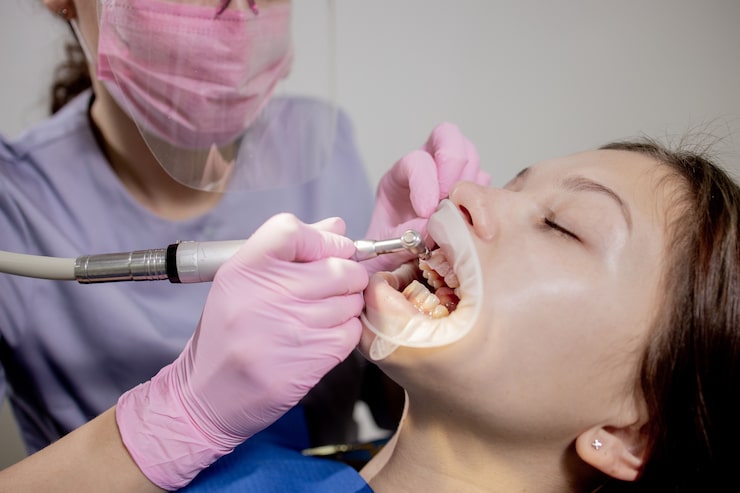
Yes. A professional dental cleaning can remove tartar from the teeth and from the area near the gums. The dental professional uses special tools to gently remove the hard buildup without harming your teeth.
During dental cleaning near you, the dental team may:
- Check the teeth and gums for plaque and tartar.
- Remove hardened deposits from the tooth surfaces.
- Clean areas where stains have collected.
- Check for gum swelling, bleeding, or recession.
- Recommend home care based on your gum health.
If tartar has collected below the gumline or gum disease is present, a deeper cleaning may be recommended. The type of cleaning depends on the amount of buildup and the condition of the gums.
When Should Yellow Areas Be Checked?
Yellow areas should be checked to see if they persist after brushing or appear alongside other changes in the teeth or gums. A dentist in Port Coquitlam can examine the area and determine whether it is tartar, staining, recession, or another concern.
See a dentist if you notice:
- Gums that bleed when you brush or floss
- Red, swollen, or sore gums
- Teeth that look longer than before
- New tooth sensitivity near the gums
- Hard buildup on your teeth that does not come off when brushing
- Changes in how your gums look or where they sit
Do not ignore pain, swelling, pus, or loose teeth. These may be signs of a serious dental problem that needs quick care.
How Can You Prevent Yellow Buildup?
Daily oral care helps reduce plaque and lower the chance of tartar forming. Once tartar develops, professional removal is needed.
Follow these simple steps to keep your teeth and gums healthy:
- Brush your teeth twice a day using a soft toothbrush.
- Clean between your teeth every day with dental floss or another cleaning tool.
- Brush gently near your gums and avoid brushing too hard.
- Eat fewer sugary snacks and drink fewer sugary drinks.
- Visit your dentist regularly based on your dental needs.
If yellow areas keep coming back, a dental clinic near you can help find the cause and suggest the right way to care for your teeth and gums.
Keep Your Gums Healthy!
Yellow areas near the gumline can have multiple causes, so an examination can help identify the right next step. Contact Poco Comfort Dentistry to arrange a dental assessment and discuss any changes in your teeth or gums. Regular checkups and suitable cleaning can help manage tartar, protect gum health, and keep your smile comfortable.
FAQs
Why is there yellow buildup near my gumline?
Yellow areas near the gums can be caused by hardened plaque (tartar), food and drink stains, or exposed tooth roots. Tartar feels hard and rough and sticks to the teeth. Exposed roots may look yellow because they have less protective covering than the rest of the tooth.
How can I tell the difference between tartar, stains, and gum recession?
Tartar is a hard, rough layer that forms near the gums. Stains make the outside of the teeth look yellow or dark. Gum recession occurs when the gums recede from the teeth, exposing the roots. The exposed roots may look yellow and feel sensitive.
Can professional dental cleaning remove tartar near the gumline?
Yes. A dental professional can remove tartar from the tooth surfaces and along the gumline using special cleaning tools. Deposits below the gums may need a deeper cleaning.
When should I see a dentist about yellow areas near my gums?
Arrange an examination if the yellow area does not improve with brushing, or if you notice bleeding, swelling, sensitivity, or changes in your gumline. These signs can help identify a problem that needs treatment.